
Motor skills
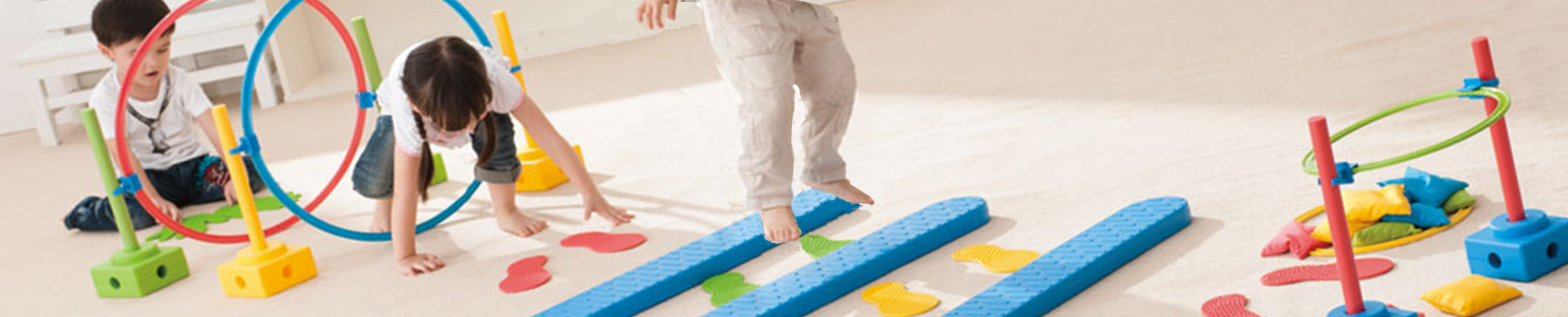
Motor skills represent the ability to perform complex muscle-and-nerve acts that produce movement. Motor skills belong to each of us and they can be developed, although they depend on our genetic heritage and on the functionality of our body apparatuses and systems. All together, motor skills allow us to learn the fundamental movement skills. Basic motor skills are: coordination, balance, resistance, strength, speed and mobility. The first two skills (coordination and balance) are defined as coordination skills. They depend on the nervous system, which analyses the external stimuli and processes appropriate reactions. Therefore, the body comes into contact with the outside through them. The other motor skills (strength, resistance, speed and mobility) are defined as conditional skills and they depend on the biomechanical functions of the musculoskeletal system, as well as on the physiological processes involved in energy production. Therefore, they are easily quantifiable.

