
Circulatory system
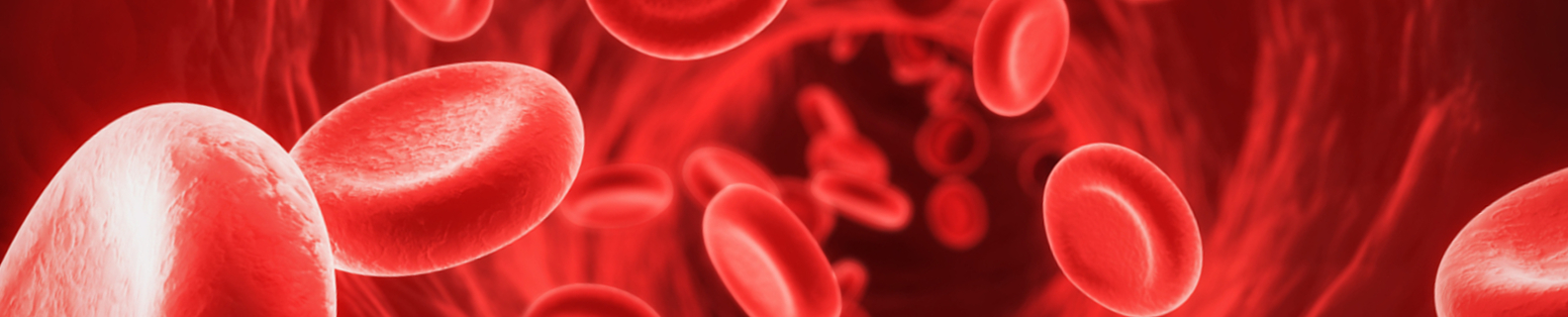
Circulatory system allows the transport of nourishing substances and oxygen (it is closely connected to the respiratory system and then to the lungs, which provide oxygen) over the entire body and it removes waste products produced by cellular metabolism. It is made up of a complex system of blood vessels through which the blood flows and by a propulsive organ, the heart.
Blood is made up of a liquid part (plasma), red blood cells, white blood cells and platelets. Its main functions are as follows: to carry oxygen from the lungs to the cells and carbon dioxide to the lungs, so that they will expel it; to carry vital nourishing substances from liver to tissues and transporting harmful products and waste from tissues to kidneys, which expel them through the urine; to transport water and minerals through the body; to maintain a constant body temperature; to transport hormones, the chemical messengers that regulate body functions; to monitor and to defend the body from the attacks of microbes by white blood cells; to make clotting of wounds or excoriations possible (see trauma) through platelets.
In order to keep the blood circulating, the organism needs a powerful pump, allowing blood to reach every single part of the body, that is the heart. By contracting rhythmically, the heart pushes blood full of oxygen and nutrients throughout the body (systemic or large circulation) and it draws blood to itself by relaxing (small or pulmonary circulation).
Arteries and veins are the channels through which blood moves in the body. The arteries quickly carry the blood to the body periphery, towards the various organs; they have thick muscular walls to withstand blood’s high pressure. On the contrary, the veins, which carry blood from the organs to the heart, have thinner walls as the blood has a lower pressure. Veins and arteries are connected by capillaries that supply blood to the tissues.

