
Nervous system
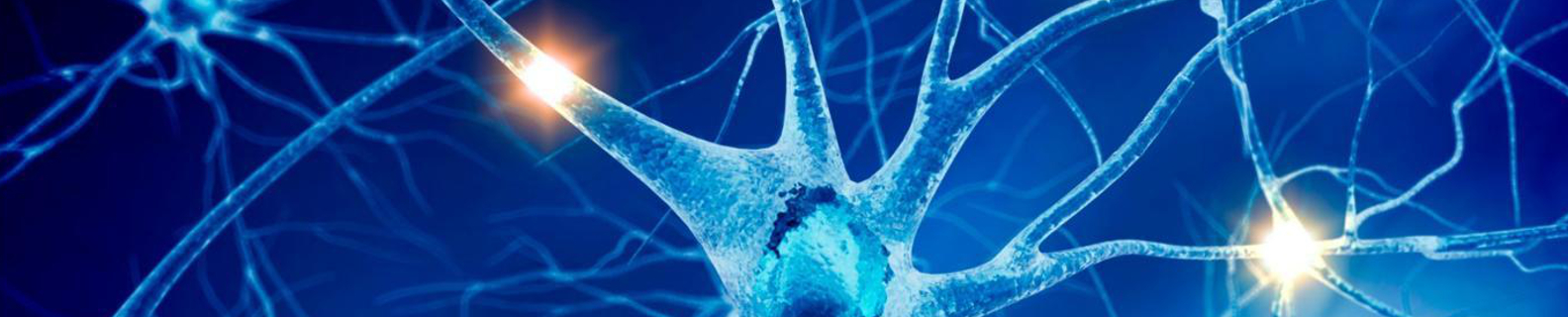
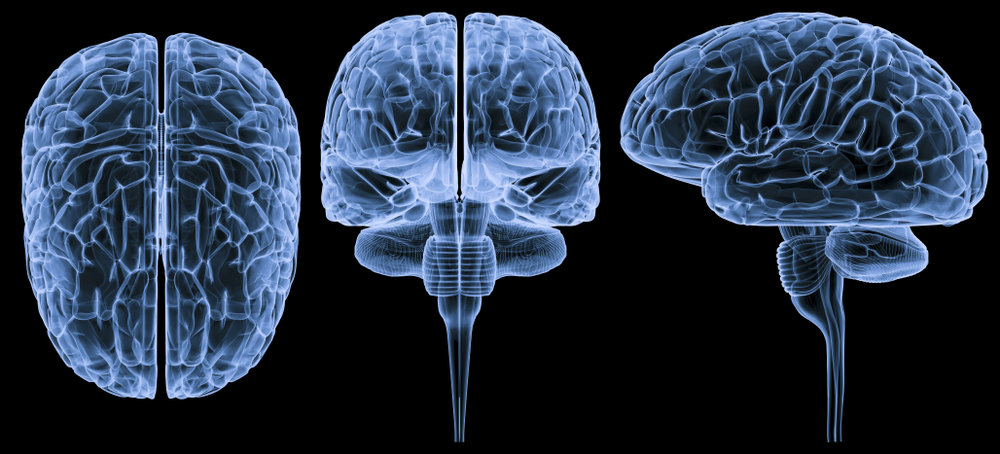
The nervous system has the function to monitor and control the muscular action, in order to allow a harmonic and effective movement. To this end, the nervous system sends its messages to the muscles as nerve impulses. The nervous system is similar to a large centre of data acquisition, processing and transmission and it is composed as follows: peripheral uptake devices (receptors), afferent and efferent paths (nerves), receiving and transmitting stations (spinal cord, brainstem, thalamus), a coordinating centre (cerebellum), and an organizing centre (cerebral cortex), where all the information is received, evaluated, stored and the reactions are processed.
From a functional perspective, the nervous system can be divided into central nervous system (CNS), peripheral nervous system (PNS) and autonomic nervous system (ANS). The nerve cell, or neuron, is the basic element of the nervous system. Its task is to record the information and then to transmit it throughout the body at very high speed. Nerve impulses are transmitted across the body through several neurons and the transition of an impulse from one neuron to another takes place through chemicals called neurotransmitters.
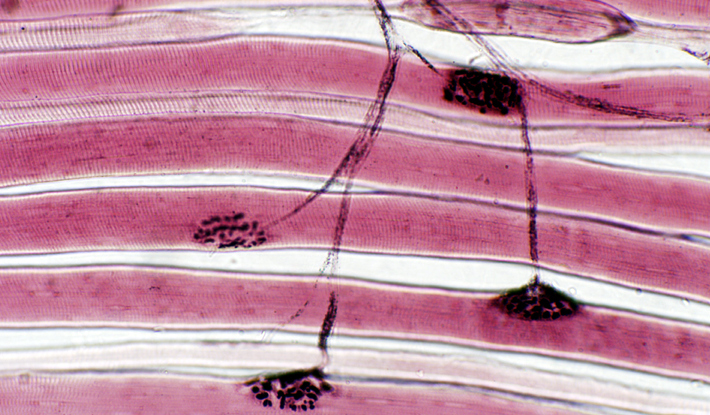
When a muscle contraction occurs, the impulse starts from the central nervous system through the fibres to the targeted muscle, where the motor nerve fibre makes contact with the muscle fibre through vesicles containing chemical transmitters called motor end plates. A nerve fibre connected to a muscle may innervate many muscle fibres. The complex consisting of motor neuron, motor nerve fibre and their innervated muscle fibres constitutes the functional motor unit of the movement. When an impulse arrives, the motor end plate vesicle opens releasing chemicals that transmit the impulse to the muscle, which contracts.
There are nerve pathways that are important for motor skills. The set of nerve fibres coming down from the motor area in the brain is the pyramidal tract involved in control of voluntary motility. It reaches the spinal cord, from which originate the other nerve fibres that innervate the voluntary muscles. At the level of the bulb (in the brainstem), most of the nerve fibres intersects, so that the part coming from the right hemisphere passes to the left side and vice versa. Functionally, the fibres innervating the muscles of the right side of the body receive impulses from the opposite hemisphere.
The involuntary extrapyramidal tract (which originates in the brain as well) is essential for the coordination of movements. It also corrects and adjusts the pyramidal system stimulus’ intensity. Among other motility pathways, there is the reflex pathway that works directly at the level of the spinal cord, without the control of the will and without reaching the brain. The reflex pathway works for conservation purposes, as it aims at defending from external dangerous stimuli. Hence, the produced movement will be instinctive and involuntary, with a shortest path and a faster reaction time (for example, to withdraw one’s hand from the source of heat). Also repetitive movements, when acquired and memorized, do not require the intervention of the cerebral cortex anymore, as they can be managed directly through the spinal cord, so that the movement becomes automatic.

